Northumberland Coast Holiday Guide
)
There is a particular moment on the Northumberland coast that tends to stay with people. It might be first light over Bamburgh Castle, the hush of dunes near Beadnell before breakfast, or the salt-sharp air on a walk to Dunstanburgh with only seabirds and ruined stone for company. A good Northumberland coast holiday guide should begin there – with the sense that this shoreline offers something increasingly rare in British travel: space, beauty and genuine calm, without asking you to compromise on comfort.
For travellers who want their coastal break to feel polished as well as restorative, Northumberland is especially rewarding. The scenery is dramatic, but never showy. The villages are handsome rather than overdone. Even in high season, much of the coast keeps a composed, unhurried character that suits couples, families and multi-generational groups equally well.
Why the Northumberland coast feels different
Some seaside destinations trade on bustle. Northumberland does the opposite. This is a coast of vast beaches, tidal islands, castle silhouettes and long views that seem to clear the mind almost on arrival. You do not come here for arcades and noise. You come for windswept walking, excellent seafood, cold-water brightness and evenings that feel deeply restful.
That quiet does not mean a lack of things to do. Rather, the pleasures here are more considered. One day may be shaped around a boat trip to the Farne Islands, another around browsing independent shops in Alnwick, and another around doing very little at all beyond reading by a window and watching the weather roll in over the sea. For many guests, that balance is the appeal.

Where to stay in this Northumberland coast holiday guide
Choosing the right base matters because each stretch of the coast offers a slightly different rhythm. If you are planning a shorter stay, it is worth being selective rather than trying to cover everything.
Bamburgh for iconic views and easy elegance
Bamburgh is one of the coast’s most memorable settings, with its extraordinary castle and broad sweep of beach. It suits travellers who want immediate visual drama and a strong sense of place, while still being within easy reach of nearby villages and walking routes. Stays here often feel especially atmospheric in the shoulder seasons, when the light is softer and the beach almost empty.
Beadnell for beach days and family ease
Beadnell has a gentler, more relaxed feel and works particularly well for families, dog owners and groups who want straightforward access to the sea. The bay is popular for paddleboarding and watersports, yet the village still feels low-key. If your idea of a holiday includes sandy shoes by the door, a good kitchen, and slow evenings after a day outdoors, Beadnell is hard to fault.
Seahouses for boats, wildlife and convenience
Seahouses is often the practical choice, and that should not be underestimated. From here, boat trips to the Farne Islands are simple, and there is a livelier village atmosphere than in some neighbouring spots. It may not have the romance of Bamburgh, but it gives you excellent access to wildlife experiences and useful amenities, which can be invaluable when travelling with children or older relatives.
Alnmouth and Warkworth for a softer pace
If you prefer pretty villages, refined places to eat and a slightly more tucked-away mood, Alnmouth and Warkworth are both strong choices. Alnmouth has a graceful, almost painterly quality, while Warkworth offers a handsome village centre and its own castle backdrop. These are ideal bases for guests who want coast and countryside in equal measure.

What to do without overfilling the days
The most successful Northumberland stays usually leave room for the landscape to set the pace. It is tempting to plan every day, but this coast rewards a lighter touch.
Bamburgh Castle is an obvious highlight, yet it earns its reputation. The setting alone is worth your time, and even those who are selective about historic attractions tend to be won over by the scale and atmosphere. Lindisfarne is equally compelling, though timing is everything. The tidal causeway means you need to plan carefully, but that rhythm is part of the experience. Arrive with time to spare, walk the priory grounds, and let the island’s peculiar stillness do the rest.
For wildlife, the Farne Islands are essential if the season is right. Boat trips bring you close to puffins, seals and other seabirds, and there is a thrill to the experience that appeals to all ages. The trade-off is that it can be weather-dependent, so it is wise not to build an entire itinerary around one sailing.
Walkers are especially well served here. The stretch between Craster and Dunstanburgh Castle is one of the most satisfying coastal walks in England – manageable for many visitors, visually striking throughout, and made better by the promise of lunch afterwards. For longer rambles, sections of the Northumberland Coast Path offer the kind of uninterrupted sea air that leaves you pleasantly tired by late afternoon.
The best time to visit the Northumberland coast
There is no single perfect season. It depends on how you like to travel.
Summer brings warmer days, swimmable moments for the brave, and the easiest conditions for family beach time. It also brings more visitors, especially around the best-known villages. Even then, Northumberland tends to feel less crowded than many British coastal hotspots, but if privacy and stillness are high on your list, late spring and early autumn are often the sweet spot.
May and June can be exceptional, with clear light, green landscapes and enough warmth to enjoy outdoor dining and long walks without the peak-season rush. September is similarly appealing, often with gentler beaches and a slightly more settled atmosphere. Winter, meanwhile, suits a different style of stay entirely – one centred on bracing walks, good wine, deep baths and the pleasure of returning to somewhere beautifully kept.
Eating well on the coast
Food matters on this stretch of shoreline, and not only in a celebratory sense. The right lunch stop can shape the day.
Craster is rightly associated with smoked kippers, and it is one of those places where local produce genuinely adds to the sense of being somewhere distinct. Along the coast, you will find a pleasing mix of polished dining rooms, thoughtful pubs and relaxed seafood spots. The best approach is to combine one or two memorable restaurant meals with simpler pleasures – a bakery breakfast, fish and chips eaten with a sea view, or supper back at your holiday home with something excellent from a local deli.
For many guests, that self-catering freedom is part of the luxury. After a day outdoors, there is something deeply appealing about returning to a well-designed kitchen, opening a bottle of wine, and settling in without needing to dress for a dining room unless you want to.

How to choose the right kind of stay
Accommodation can make or soften a Northumberland holiday. On a coast where the scenery does so much of the work, your base should match it in comfort and atmosphere.
If you are travelling as a couple, look for somewhere with privacy, strong interiors and outdoor space that lets you make the most of morning coffee or an evening drink. Families tend to benefit from practical luxuries – generous living areas, easy parking, boot rooms, enclosed gardens and proximity to the beach. Multi-generational groups often need a little more thought: bedroom layout, accessibility, dining space and enough room for everyone to gather without feeling on top of one another.
This is where a carefully curated portfolio has real value. Catch the Breeze Retreats, focuses on the kind of details that experienced travellers notice immediately: quality linens, considered design, standout settings and a guest experience that feels attentive rather than transactional.
Small planning details that make a big difference
Northumberland is easy to enjoy, but it rewards a little foresight. Book popular restaurants in advance during school holidays and summer weekends. Check tide times carefully if Lindisfarne is on your list. Pack for changeable weather even in July, because a bright coastal morning can turn cool quickly by afternoon.
If you are bringing a dog, the region is especially generous, but beach restrictions vary by season and location. If you are travelling with older family members or very young children, it is worth balancing wild beauty with practicality – a house with easy access and a village with useful amenities can make the whole trip feel more relaxed.
Above all, resist the urge to race from sight to sight. The Northumberland coast is at its best when you give it time: time to watch the sea from the window, time to take the longer path over the dunes, time to return from a walk with rosy cheeks and nowhere else to be. That, more than any checklist, is what turns a good coastal break into one you will want to repeat.
Back to archive
Where to Hike in Winter in the UK - National Parks
Jan 2022With the colder months here for the foreseeable future, you may need to put on an extra layer before you set off on a…

Catching the 2022 Breeze
Feb 2022Welcome to Catch the Breeze Retreats’ first of many blogs, filled to the brim with all our news, updates, and…
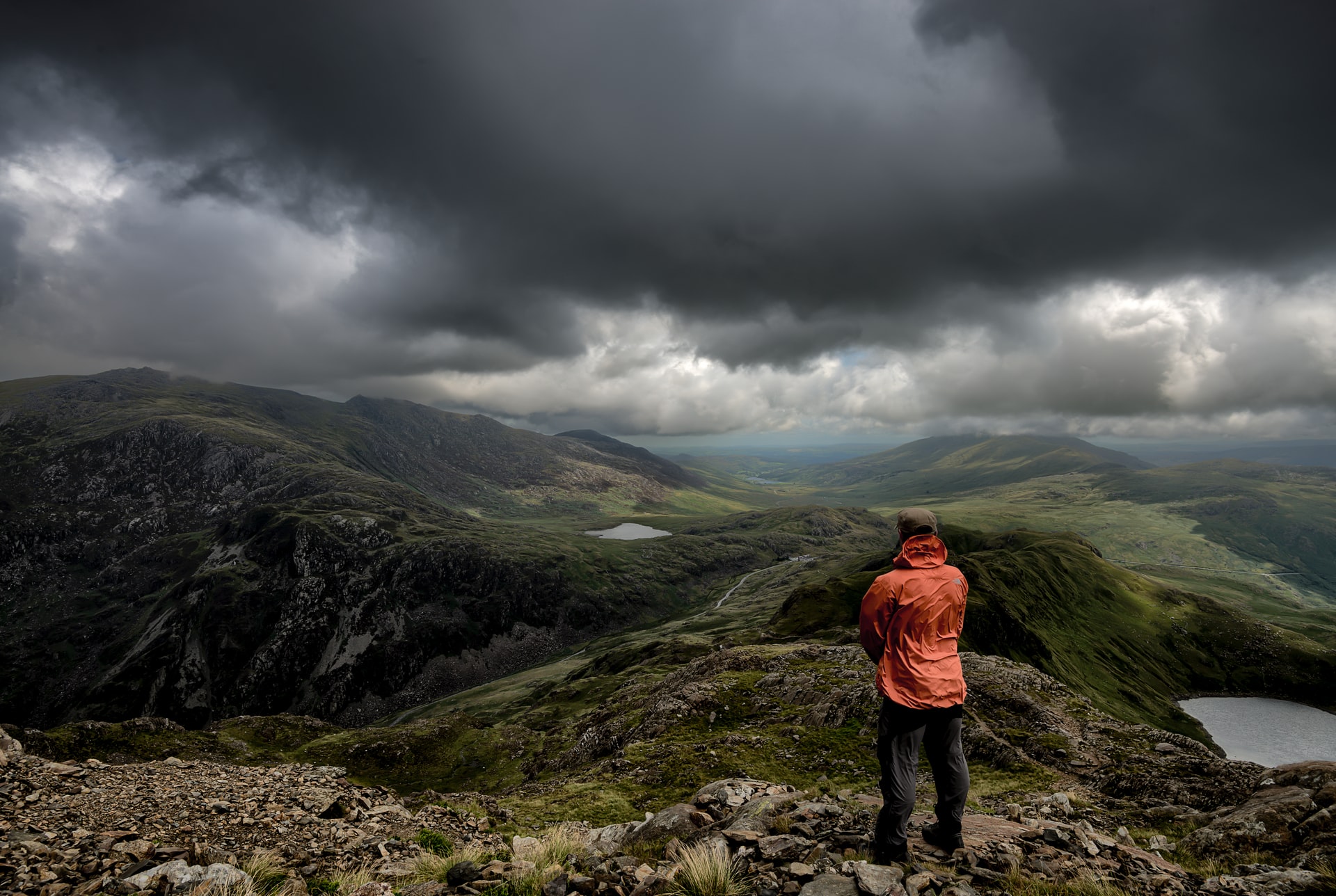
What to do in Snowdonia When it Rains
Mar 2022March – a month that is often filled with unpredictable and transitional weather as we slowly move into Spring, the…