Luxury Cottage Versus Boutique Hotel
)
The best UK breaks are often decided by one deceptively simple question: luxury cottage versus boutique hotel? Both promise style, comfort and a sense of escape, yet the experience of each is entirely different once you have unpacked your bag, poured a drink and settled into the rhythm of a few days away.
For some travellers, the appeal of a boutique hotel lies in its polish. There is someone at reception, breakfast appears without effort, and the atmosphere can feel indulgent from the moment you arrive. For others, a luxury cottage offers something more difficult to replicate – privacy, space and the pleasure of living beautifully for a short while in a place that feels entirely your own.
Luxury cottage versus boutique hotel: what changes the experience?
The real difference is not simply whether you have room service or a kitchen. It is how you want to spend your time. A boutique hotel shapes your stay for you. A luxury cottage gives you the setting, then lets you make the holiday your own.
That distinction matters more than many people expect. In a hotel, there is usually a shared pace. Breakfast is served at a certain time, communal spaces have their own mood, and other guests inevitably influence the atmosphere. This can be part of the charm, particularly for a short romantic stay or a city break where you want to be looked after between outings.
In a cottage, the pace is private. Breakfast can be taken slowly in pyjamas with the windows open to the sea air, or much later after a long lie-in. A muddy walk can end with boots left by the door, the dog curled up by the fire and supper simmering in the kitchen. The experience feels less observed and, for many guests, more restorative.
When a boutique hotel is the better choice
Boutique hotels do certain things exceptionally well. If your priority is attentive on-site service, a well-run hotel can feel wonderfully easy. There is no grocery delivery to think about, no dinner reservations to juggle if the restaurant is downstairs, and no need to plan the practical side of the stay in the same way.
They also suit shorter breaks. If you are arriving late on a Friday and leaving on Sunday, it can be a pleasure to hand over the logistics and simply enjoy the décor, the cocktails and the convenience. For couples celebrating an anniversary or anyone who wants a more traditionally pampered feel, that can be exactly right.
There is also a social quality to hotels that some guests genuinely enjoy. A lively bar, a smart lounge and the quiet theatre of people coming and going can add energy to a stay. If you prefer a sense of occasion around you, rather than complete seclusion, a boutique hotel often has the edge.
Still, this style of travel comes with trade-offs. Even the most beautifully designed hotel room is usually one room, perhaps a suite if you are stretching the budget. Shared walls, set meal times and the background presence of other guests can limit that feeling of true escape.
Why a luxury cottage often feels more indulgent than expected
People sometimes assume that hotels are inherently more luxurious because they offer formal service. In practice, luxury can just as easily mean freedom, stillness and space. That is where a well-chosen cottage comes into its own.
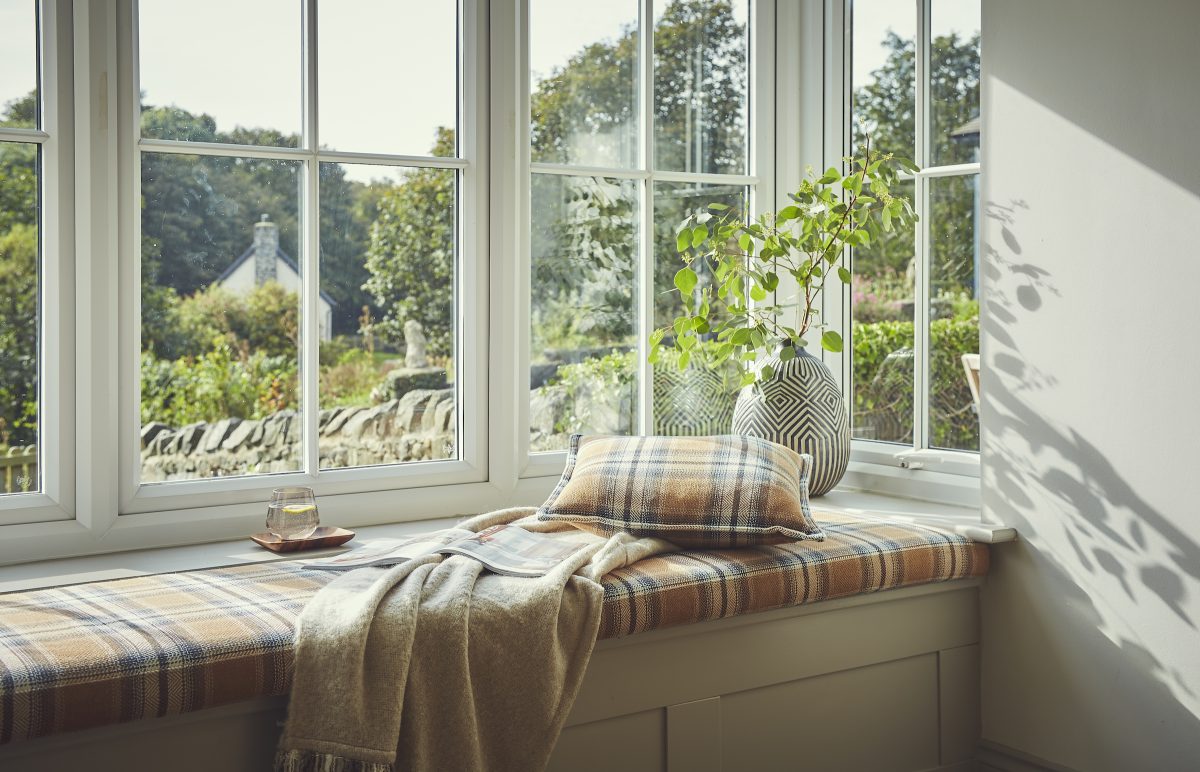
A premium cottage allows you to inhabit a destination rather than simply stay in it. You are not retreating to a room after a day out. You are returning to a sitting room with generous sofas, a kitchen designed for long suppers, perhaps a terrace catching the last of the evening light, or a bath deep enough to turn into part of the ritual of the holiday.
For couples, this can feel deeply romantic because it is private. For families, it is often transformative because everyone has room to spread out. For friendship groups or multi-generational gatherings, it removes one of the biggest frustrations of hotel stays – separation. Instead of splitting across several rooms and meeting in public areas, everyone can be together comfortably, then retreat to their own bedroom when they want quiet.
The best luxury cottages also carry a stronger sense of place. In coastal Northumberland, that may mean salt-washed light, soft linens and views towards the dunes. In Snowdonia, it might be slate, stone, mountain air and windows framing the landscape. In the Yorkshire Dales, warmth, texture and country-house ease can shape the mood. A good hotel may be stylish, but a truly thoughtful holiday home often feels more rooted in its setting.
Space, privacy and the luxury of choosing your own rhythm
If you are weighing up luxury cottage versus boutique hotel for a family holiday, the conversation usually ends with space. Hotels can work beautifully for one or two nights, but several days in adjoining rooms is rarely as relaxing as it sounds. Children sleep lightly, grandparents keep different hours, and everyone ends up meeting in corridors or crowded breakfast rooms.
A cottage gives each person more breathing room. Early risers can make coffee without waking the house. Teenagers can disappear to a snug. Dogs can settle in properly. Long lunches can drift into board games, reading or an afternoon by the fire without anyone needing to vacate a table.
Privacy matters just as much. Many affluent travellers are not looking for attention; they are looking for ease. They want beautiful interiors, immaculate standards and thoughtful support when needed, but without the slight performance that hotel life can bring. A private retreat answers that wish rather elegantly.

Service is different, not absent
One reason some guests hesitate before booking a self-catering stay is the fear that it will feel less looked after. That may be true in the lower end of the market. It is not true of a genuinely curated luxury retreat.
The strongest holiday home brands borrow the best instincts of boutique hospitality: responsive communication, carefully prepared houses, local knowledge, reliable standards and details that make arrival feel smooth rather than transactional. The difference is that the service sits lightly around your stay instead of intruding on it.
That balance often suits experienced travellers very well. They do not necessarily need a concierge desk in the hallway. What they value is arriving to a house that is beautifully presented, thoughtfully equipped and managed by people who understand that luxury lives in the details. Catch the Breeze Retreats has built much of its appeal around that very point – combining private-home freedom with a boutique level of care.
Cost and value are not the same thing
A boutique hotel room may initially seem simpler to price, but value depends on who is travelling and how you like to spend your holiday. For a couple on a brief break, the maths can favour a hotel, especially if breakfast is included and most meals are taken out.
For a family or group, however, the picture changes quickly. Multiple hotel rooms, restaurant bills for every meal and the extras that accumulate around hotel living can make a boutique stay considerably more expensive than it first appears. A luxury cottage can offer more bedrooms, more living space and the option to cook casually when you feel like it, then book a special pub lunch or celebratory dinner when it suits.
It is also worth considering the value of intangible things. Your own sitting room. A garden for the dog. A large dining table for a birthday supper. A peaceful morning with no background noise beyond gulls, sheep or the wind in the trees. Those are not line items, but they shape how generous a stay feels.
Which option suits different types of traveller?
Couples tend to be the most evenly split. If the goal is a one-night celebration with cocktails downstairs and breakfast served in bed, a boutique hotel is hard to argue with. If the goal is a long weekend of walking, reading, cooking and switching off together, a luxury cottage often feels richer and more intimate.
Families almost always benefit from the flexibility of a cottage, particularly with younger children or dogs in tow. The same is true for friendship groups and multi-generational stays, where shared space becomes part of the pleasure rather than a logistical puzzle.
Solo travellers can go either way. Some prefer the gentle structure and reassurance of a hotel, while others relish the quiet autonomy of a beautiful private retreat. Much depends on whether you want company nearby or uninterrupted solitude.
The right stay depends on the holiday you want to remember
When deciding between a luxury cottage and a boutique hotel, ask yourself one question: do you want to be hosted, or do you want to settle in? Neither answer is more sophisticated than the other. They simply lead to different kinds of escape.
A boutique hotel offers atmosphere, convenience and a polished sense of occasion. A luxury cottage offers immersion, privacy and the sort of ease that lets a place become yours for a few days. For many UK breaks, especially in landscapes as cinematic as the coast, the mountains or the dales, that feeling of temporary belonging is what turns a good holiday into one you talk about for years.
Choose the stay that fits the way you actually like to travel, not the version that looks best on paper. The most memorable luxury is often the one that gives you room to exhale.
Back to archive
Where to Hike in Winter in the UK - National Parks
Jan 2022With the colder months here for the foreseeable future, you may need to put on an extra layer before you set off on a…

Catching the 2022 Breeze
Feb 2022Welcome to Catch the Breeze Retreats’ first of many blogs, filled to the brim with all our news, updates, and…

What to do in Snowdonia When it Rains
Mar 2022March – a month that is often filled with unpredictable and transitional weather as we slowly move into Spring, the…